


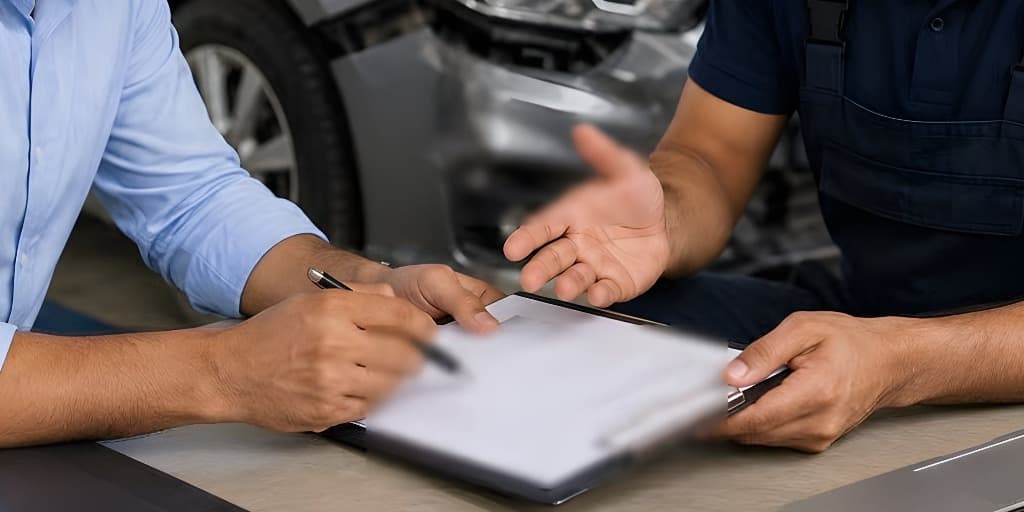
Buying a car insurance policy is the easy part. But the real test of any policy comes during a claim. This is the moment when paperwork, processes, deadlines, and small details decide whether you get paid quickly or face a frustrating delay. Most car owners only learn how the claim process works after they have already crashed, been robbed, or faced a flood. That is the worst time to figure things out.
A car insurance claim has its own language, timelines, and rules. There are specific documents to keep handy. There are deadlines you must meet within 24 to 48 hours. The path you follow for a claim also varies by the claim type. Each insurer also publishes a Claim Settlement Ratio (CSR) that tells you how reliable they are during this moment of truth. This complete guide walks you through every step of the car insurance claim process. From understanding when to file a claim to choosing between cashless and reimbursement, this is the only guide you will need to know how to file a car insurance claim in India.
When Can You File a Car Insurance Claim?
A car insurance claim can be filed for any covered event under your policy. For a comprehensive policy that covers most damage and loss situations, there are several factors that can be claimed. For a pure third-party policy, only damage caused to others is claimable. Knowing the right moment to start the car insurance claim process is the first step in getting paid quickly. Here are the five main situations where you can file a car accident insurance claim or other type of claim:
- Accidents: Any collision damage to your car, whether it is a small dent or major structural damage, qualifies. This includes accidents where you are at fault and ones where another driver is. Single-vehicle accidents like hitting a divider or skidding off a wet road are also covered.
- Theft: If your car is stolen and not recovered, the entire IDV is paid out. Partial theft (stereo, parts) may not be covered unless mentioned in the policy wording. Attempted theft damage, such as a broken lock or smashed window, is also usually covered.
- Natural disasters: Floods, cyclones, earthquakes, landslides, and storms are all covered events. This is one of the most common claim types during the Indian monsoon. Damage from a falling tree, hail, or even animal attacks during floods is paid out.
- Fire and explosion: Any fire damage, whether from an electrical fault, accident, or external cause, is covered. Self-ignition is also paid out. Damage from a short circuit in the engine bay during a hot summer day falls under this category.
- Riots and vandalism: Damage from riots, strikes, terrorism, and malicious acts is included in a comprehensive policy. Scratches, broken mirrors, or burnt interiors caused by such incidents are claimable.
The first rule of any claim is timing. You must inform the insurer within 24 to 48 hours of the incident. Late intimation is one of the most common reasons for claim rejection, even when the damage is clearly covered. The earlier you start the car insurance claim process, the smoother the settlement.
Cashless vs Reimbursement: Which Claim Process to Choose
There are two ways to make a car insurance claim: cashless or reimbursement. Both end with the same outcome, but the experience and cash flow differ. The choice you make shapes how the rest of the car insurance claim process plays out.
A cashless car insurance claim means you do not pay the garage upfront. The insurer settles the bill directly with the network garage. You only pay the compulsory deductible and any non-covered items. This is the easier and faster route.
A reimbursement claim, on the other hand, means you pay the repair bill first. The insurer reimburses you later after reviewing your documents and bills. This route gives you the freedom to choose any garage, including your trusted local mechanic.
To answer the million-dollar question of cashless vs reimbursement, which is better, cashless claims wins on convenience and cash flow. Reimbursement, on the other hand, wins on flexibility and choice of garage. Therefore, for most car owners, cashless is the recommended route. Use reimbursement only when no network garage is reachable, your preferred mechanic is not on the network list, or the repair is minor, and you prefer to handle it without involving the insurer's surveyor. The choice often depends on the situation. A serious accident in a metro city points to cashless. A small repair in a small town, where the insurer has no garage tie-up, may need reimbursement.
Cashless Claim: Complete Process
The cashless claim process is well-structured, seamless and easy. Follow these four steps carefully when opting for a cashless claim:
Step 1: Find a Network Garage
Open your insurer's app or website. Search for network garages by city or pincode. The list shows all approved garages where cashless claims work. Pick the nearest one or the one you trust.
If your car cannot be driven, request a tow service. Many insurers offer free towing under the RSA add-on or as part of the cashless process.
Step 2: Inform the Insurer
Call the insurer's 24x7 helpline immediately or use the claim option on the app. Provide your policy number, the date and time of the incident, the location, and a brief description. The insurer will then issue a claim reference number. Note this down. You will use it for every follow-up.
Step 3: Get Approval
A surveyor from the insurer visits the garage to inspect the damage. This usually happens within 24 hours after the claim is raised. The surveyor then estimates the repair cost and approves the items to be covered. The garage will then start repairs based on the approved estimate. You do not pay anything up front for the covered portion under a cashless claim.
Step 4: Repair and Collect
Once the repair is complete, the garage informs you to pick up the car. You pay only the compulsory deductible (usually Rs 1,000 to Rs 2,000) and any non-covered items. The insurer pays the balance directly to the garage. The full process from information to delivery usually takes 5 to 10 working days for a moderate accident, with major accidents having a lengthier timeline.
Reimbursement Claim: Complete Process
The reimbursement claim process gives you more control over the repair process, but takes longer to finish. Here are the four steps involved in claiming a reimbursement claim process:
Step 1: Get the Repairs Done
Inform the insurer first, typically within the first 24 to 48 hours. Then take the car to any garage of your choice. The insurer's surveyor may still inspect the damage before you start repairs. Do not begin work without surveyor approval if the damage is significant. Doing so can lead to claim rejection.
Step 2: Collect All Bills
Keep every single bill, receipt, and document related to the repair. This includes parts bills, labour charges, painting costs, and any towing receipts. Original bills are mandatory. Photocopies or duplicates are not accepted. Also, collect the before and after photographs of the car if possible.
Step 3: Submit to the Insurer
Submit the complete document set to the insurer. Use the app, email, or visit a branch. The car insurance claim documents include the claim form, bills, surveyor report, photographs, RC copy, driving licence, and policy document. The insurer's claims team will then review everything and match it against the surveyor's estimate.
Step 4: Receive Payment
Once approved, the reimbursement amount is credited to your bank account. Settlement usually takes 7 to 15 working days from full document submission. The amount paid is the approved repair cost minus depreciation (unless you have zero dep), compulsory deductible, and any excluded items.
Theft Claim: Special Process
A car theft insurance claim follows a separate path because theft involves the police, registration authority, and the insurer together. To raise a theft claim:
- File an FIR: Visit the nearest police station and file a First Information Report within 24 hours. Mention every detail: where the car was parked, the time of theft, vehicle details, and policy details.
- Inform the insurer: Use the helpline or app within 24 hours. Submit a copy of the FIR.
- Inform RTO and obtain documents: Inform the regional transport office. Obtain a non-traceable certificate from the police after their investigation, usually within 60 to 90 days.
- Submit final claim documents: The non-traceable certificate, FIR copy, RC, both sets of keys, theft declaration, and policy document go to the insurer.
- Receive IDV payment: Once the insurer verifies all documents, they pay the IDV of the car. Settlement usually takes 60 to 90 days from the date of theft because of the police investigation timeline.
Documents Required For a Car Insurance Claim: Checklist by Claim Type
Here is the complete car insurance claim documents checklist organised by claim type, so that you know what to keep handy when it comes to raising a claim:
For accident claims:
- Filled claim form
- Original policy document
- RC copy of the car
- The driver's driving licence at the time of the accident
- FIR (only if there is third-party injury, death, or major damage)
- Repair bills (for reimbursement)
- Surveyor report
- Photographs of damage
For theft claims:
- Filled claim form
- Original policy document
- RC copy
- FIR copy
- Non-traceable certificate from the police
- Both sets of original keys
- Theft declaration form
- Driving licence
- Address proof
For natural disaster claims:
- Filled claim form
- Policy document
- RC copy
- Driving licence
- Photographs of damage
- Repair bills
- Local authority report, if available (for major events)
Note: Keep digital copies of all your car documents on a cloud service. This makes the process much faster during a claim.
How Long Does Settlement Take?
The car insurance claim timeline depends on the claim type and your insurer's efficiency. Here is what the typical timeline for a car insurance claim in India looks like:
- Cashless accident claim: 5 to 10 working days from informing to car delivery.
- Reimbursement claim: 7 to 15 working days after full document submission.
- Theft claim: 60 to 90 days, mostly because of the police investigation timeline.
- Natural disaster claim: 10 to 21 working days, depending on the volume of similar claims during the event.
- Total loss claim: 15 to 30 working days, after the surveyor confirms total loss status.
As per IRDAI guidelines, once all final papers (including the surveyor's report or police non-traceable certificate) are formally submitted, the insurer must settle or reject the claim within 30 days, or risk paying interest on the delayed amount.
So for those wondering how long does car insurance claim takes in practice, most cashless claims for moderate accidents settle within a week. Reimbursement takes about two weeks, and theft takes a few months. Always factor this timeline into your planning for major repairs or replacement vehicles.
Claim Settlement Ratio (CSR): What to Check Before Buying a Car Insurance
CSR is the most important number you should check before buying car insurance. It tells you what percentage of total claims an insurer paid out of all claims received in a financial year.
A 95% CSR means 95 out of every 100 claims were settled. A 75% CSR means 25 out of 100 were rejected or partially rejected. The higher the CSR, the more reliable the insurer.
Here are some top insurance performers in 2026 by publicly available CSR:
- ACKO: 99.1%
- SBI General: 98%
- HDFC ERGO: 96%
- Digit: 96.1%
- ICICI Lombard: 93%
- Tata AIG: 92%
Avoid insurers with CSR below 85% unless you have a strong reason. A cheap policy with poor CSR can hurt at claim time. The Rs 2,000 you save on premiums can cost you Rs 50,000 in a rejected claim. CSR data for every insurer can typically be found on the insurer’s website as well as on most aggregator platforms.
Common Mistakes to Avoid During a Claim
Even smart car owners make small mistakes during a claim that delay settlement or reduce the payout. Here are the most common ones to avoid:
Delaying intimation: Insurers expect you to inform them within 24 to 48 hours. Waiting longer is the biggest reason for outright claim rejection. Even if your car can wait for repairs, the insurer cannot wait for the call.
Starting repairs before survey: In a reimbursement claim, never begin repairs until the surveyor has inspected the damage. Without the surveyor's report, the insurer can refuse to reimburse the cost.
Skipping the FIR for major incidents: Many car owners try to settle minor issues without a police report. For theft, third-party injury, or major property damage, an FIR is mandatory. Missing it leads to direct rejection.
Choosing a non-network garage for cashless claims: A network garage claim is settled directly between the insurer and the garage. If you pick a non-network garage, the cashless route is closed, and you must do a reimbursement claim instead.
Submitting incomplete documents: Missing one document can delay settlement by weeks. Use the checklist in this guide. Make sure every paper is original, signed, and clearly readable.
Filing very small claims: A Rs 4,000 claim costs you a 50% NCB on renewal. Over five years, the lost NCB can be Rs 15,000 or more. Pay for small repairs yourself and protect your bonus.
Hiding past damage: If you have an old dent and try to claim it along with a new accident, the surveyor will spot it. Disclose only the new damage from the current event.
Forgetting to renew during a claim: Some owners stop following up on a claim and accidentally let the policy lapse during settlement. Always renew on time, even during an open claim.
The Bottom Line
A car insurance claim is rarely a happy occasion. Whether you have been in an accident, faced damage, or lost your car to theft, the process does not have to add to your stress. Knowing exactly how to file car insurance claim, which route to pick, what documents to keep ready, and how long things take makes the entire experience smoother.
Note: This article has been vetted by Siddarth Khandelwal, an Insurance expert at Insure24.
FAQs
Q. How to file a car insurance claim?
Inform your insurer within 24 to 48 hours after the incident and provide complete accident details. Choose between cashless or reimbursement claim settlement. Submit all required documents, get the vehicle repaired, and either collect the repaired car directly or receive reimbursement after approval from the insurer.
Q. How to claim car insurance after an accident?
Move the vehicle to a safe location immediately after the accident to avoid further damage or traffic obstruction. Inform the insurer as soon as possible, file an FIR if legally required, and take the car to a network garage for cashless repairs or any preferred garage for reimbursement claims.
Q. Cashless vs reimbursement, which is better?
Cashless claims are generally faster, more convenient, and reduce immediate out-of-pocket expenses because the insurer settles bills directly with the network garage. Reimbursement claims offer greater flexibility in choosing repair workshops. Cashless claims are usually preferred when a nearby network garage is available and accessible.
Q. My car insurance claim was rejected. What should I do?
If your car insurance claim is rejected, first contact the insurer’s grievance redressal cell and request a detailed explanation. If unresolved within 30 days, escalate the issue through the IRDAI Bima Bharosa portal, Insurance Ombudsman, or consumer court. Keep all rejection letters, claim records, and supporting documents safely for appeals.
Q. How long does a car insurance claim take?
Cashless claims are usually settled within 5 to 10 working days, depending on repair complexity and approvals. Reimbursement claims may take around 7 to 15 working days after document submission. Theft-related claims generally require longer processing periods and may take approximately 60 to 90 days for settlement.
Q. Can I claim car insurance for minor scratches?
Yes, you can file a claim for minor scratches or small accidental damage under your own damage policy. However, consider the impact on your No Claim Bonus before filing. If repair expenses are lower than the expected NCB loss, paying from your own pocket may be financially wiser.
Q. What documents are needed for a claim?
Commonly required documents include a completed claim form, a copy of the insurance policy, vehicle registration certificate, driving licence, FIR if applicable, repair estimates and bills, surveyor report, and photographs of the damaged vehicle. Some insurers may additionally request bank details or identity proof during claim processing.
Q. Is FIR mandatory for every claim?
No. Filing an FIR is not compulsory for every motor insurance claim. It is generally required only in cases involving vehicle theft, major accidents causing injuries or death, or third-party property damage. For minor own-damage claims, insurers often process claims without requiring a police complaint or FIR.
Q. Can I file a claim from a different city?
Yes. Car insurance policies are valid across India, and you can file claims from any city or state. Most insurers have wide network garage coverage in major cities, while reimbursement claims can be processed almost anywhere. Customer support helplines also assist policyholders with nationwide claim coordination and guidance.
Q. Will the insurer pay the full repair cost?
Not always. Insurers usually deduct depreciation on replaced parts, compulsory deductibles, consumables, and non-covered items before settlement. As a result, policyholders may need to bear part of the repair expense themselves. Purchasing a zero depreciation add-on can significantly reduce depreciation-related deductions during claim settlement.
Q. What is the claim settlement process for total loss?
A vehicle is generally declared a total loss when estimated repair costs exceed 75% of its Insured Declared Value or IDV. After assessment by the surveyor and insurer approval, the insurer pays the applicable IDV amount after deducting policy excesses, salvage value adjustments, and other applicable deductions.
Q. Can I switch insurers if I have an open claim?
No. An open or pending claim usually needs to be fully settled before you switch to another insurance company. The current insurer remains responsible for handling the claim under the active policy. Once the claim process is completed, you may renew or transfer the policy to another insurer.
Q. Does the insurer pay for towing charges?
Yes, towing charges are often covered if your policy includes roadside assistance or towing benefits under the standard cover. Most insurers reimburse towing expenses up to approximately Rs 1,500 to Rs 2,500 per incident, while roadside assistance add-ons may offer higher limits and broader emergency support services.
Q. What if the accident happened in a different state?
Your car insurance policy remains valid throughout India, regardless of the state where the accident occurred. You can raise the claim from any location and use available network garages if nearby. In remote areas with limited network support, reimbursement claims are often more practical and easier to process.
Q. Can I make multiple claims in one year?
Yes. There is generally no restriction on the number of claims you can file during a single policy year, provided each incident is covered under the policy terms. However, multiple claims may impact your No Claim Bonus at renewal unless your policy includes an NCB protection add-on benefit.
Q. Do I need original bills for reimbursement?
Yes. Insurers typically require original repair invoices, receipts, and payment bills for reimbursement claims. Photocopies or duplicate bills are usually not accepted during settlement verification. It is advisable to keep scanned digital copies for your own records before submitting the original documents to the insurer for processing.
Q. Can I claim for damage from rats or stray animals?
Coverage depends on the type and cause of damage mentioned in your policy terms. Rat damage to wiring or interiors is often excluded unless specifically covered through an add-on. However, accidental collision damage caused by stray animals such as cows or dogs is generally covered under own-damage insurance.








An add-on called zero depreciation auto insurance ensures that you get the full replacement cost of any damaged parts by doing away with depreciation deductions during claims. This accessory, which is best suited for new and expensive cars, lowers out-of-pocket costs while offering financial stability and peace of mind. The advantages outweigh the costs, particularly for individuals who drive frequently and live in high-risk locations, even when premiums go up. Consider the age of your car, your driving style, and your financial situation while looking into zero depreciation insurance in India. Locate the best coverage by comparing insurers and policies. To find the greatest auto insurance alternatives, go to INSURE24.

Licenced by

COMPANY
PRODUCTS
RESOURCES
LEGAL
Cars24 Financial Services Private Limited
(Wholly owned subsidiary of Cars24 Services Private Limited)
Corporate Office - 6th Floor, SAS Tower-C, Ch Baktawar Singh Road, Medicity Sector 38, Shivaji Nagar,
Gurgaon - 122001, Haryana
IRDAI Corporate Agency Registration No: CA0710 | License Category: Composite |
CIN: U65990HR2018PTC075713
Disclaimer : The information contained in this website is presented purely for information purposes only provided as service to the internet community at large. It does not constitute insurance advice and we do not guarantee the accuracy, adequacy or the completeness of the information contained here.


Licenced by
COMPANY
PRODUCTS
RESOURCES
LEGAL
Cars24 Financial Services Private Limited
(Wholly owned subsidiary of Cars24 Services Private Limited)
Corporate Office - 6th Floor, SAS Tower-C, Ch Baktawar Singh Road, Medicity Sector 38, Shivaji Nagar,
Gurgaon - 122001, Haryana
IRDAI Corporate Agency Registration No: CA0710
License Category: Composite
CIN: U65990HR2018PTC075713
Disclaimer : The information contained in this website is presented purely for information purposes only provided as service to the internet community at large. It does not constitute insurance advice and we do not guarantee the accuracy, adequacy or the completeness of the information contained here.