



A claim is the moment your insurance proves its worth, yet a single missing paper can stall the whole process for weeks. This is why your car insurance claim documents deserve attention long before you need them. The right set turns a slow, frustrating claim into a fast, clean payout.
The catch is that different claims demand different paperwork. An accident claim looks nothing like a theft claim. Both differ from a flood or fire claim. A generic checklist will let you down at the worst moment. But fret not, as this guide gives you a clear insurance claim checklist by claim type. It lists the car insurance claim documents you need for each case, shows where to source each one, and indicates how long each one takes.
Why the Right Documents Matter for Your Claim
Your claim file is only as strong as the papers behind it. Wrong or missing documents cause real trouble that can take a toll on your savings. They are a common reason genuine claims get delayed, queried, or rejected.
Knowing the documents needed for car insurance claim cases is the foundation of a good and hassle-free settlement. Insurers assess every claim against the agreed policy terms. To do that, they need proof of both the event and the loss. The right car insurance claim documents supply just that and nothing more. A complete file then moves quickly, while a weak one stalls at every checkpoint.
This is why it is crucial to treat your car insurance claim checklist as a priority. Gather the relevant claim documents early, before the pressure of a real claim sets in. The reassuring part is simple. Most papers are easy to arrange once you know which car insurance claim documents apply to your situation.
Accident Claim Documents You Must Keep Ready
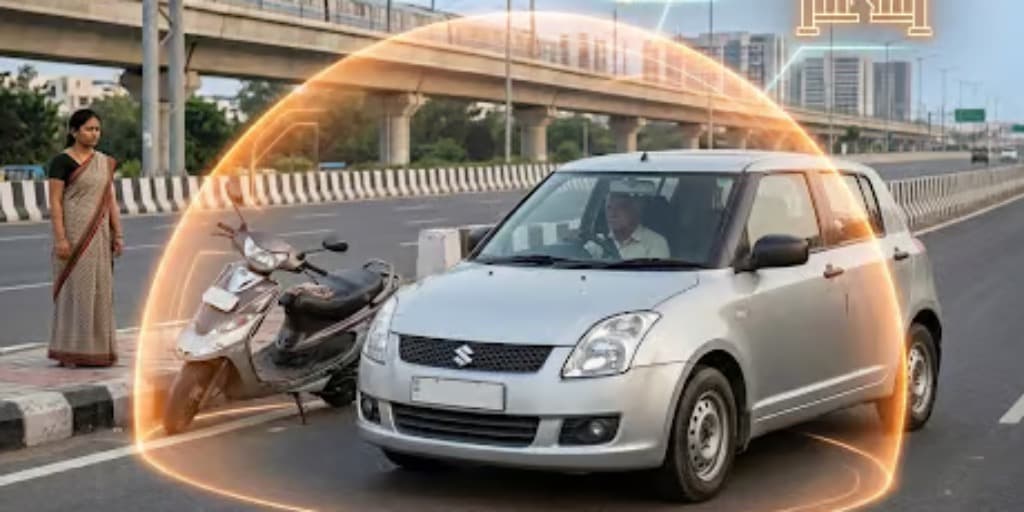
An accident is by far the most common claim type, and the car accident claim documents involved are clear and standard. Here is the full list of car insurance claim documents to keep ready:
FIR or Police Report
For an accident claim, you need an FIR explaining any major crash involving injury, death, or third-party damage. Minor dents often do not require one. So, for those wondering, do I need FIR for insurance claim cases every time? The answer is no. An FIR is only for serious events. An insurance claim without an FIR route exists only for small own-damage scratches where no other party is involved.
Claim Form
The claim form that insurance companies provide formally starts the process, so fill it in accurately. You can get it through the insurer app or at the partner garage.
RC Copy
Keep a copy of your registration certificate handy for an accidental claim. The document establishes that you own the car, and the name on it must match the policyholder for a smooth settlement.
Driving Licence Copy
The person driving at the time must hold a valid licence, so submit a clear copy. An expired licence can void the entire claim.
Photos and Videos of Damage
Capture clear insurance claim photos from several angles. Cover the damage and the wider scene. These images support your version of events and speed up assessment.
Repair Estimate
The garage provides a written repair estimate listing parts and labour. The surveyor reviews it carefully before approving the amount.
Medical Bills If Injury Occurred
If anyone was injured, retain all medical bills, since these originals support the injury portion of your claim.
Theft Claim Documents and the Right Order
A theft claim follows a stricter path, and the car theft claim documents must arrive in the correct order because missing a step can potentially halt everything. A properly filed FIR for insurance claim purposes is the first requirement, here is everything else you will need:
FIR Immediately
File an FIR the moment you discover the theft, ideally within 24 hours. This report forms the foundation of the entire claim.
Non-Traceable Certificate After Three Months
The police first try to trace your vehicle. If they cannot recover it, they issue the non-traceable certificate that theft cases depend on. For those wondering what is non-traceable certificate for theft claim purposes is, it is the official police confirmation that your car could not be found, and it usually arrives after around three months.
Duplicate Keys
You must hand over every key, including the spare set, because missing keys can cast doubt on the theft.
RC Original
A theft claim requires the original registration certificate. The insurer retains it during settlement, since ownership transfers to them once the payout is made.
Insurance Policy Copy
Submit your policy copy with the file. It confirms your cover was active and establishes the insured value behind your payout.
Natural Disaster Claim Documents to Gather
Floods, storms, and cyclones damage thousands of cars every year, and the natural disaster claim documents required are mercifully simple. These car insurance claim documents mainly establish the cause of loss, so here is what you need:
Photos of the Damage
Take clear photographs of the flood or storm damage, showing the water level or debris involved, as these prove the cause of loss.
Weather Report
A local weather report strengthens your case by confirming the flood, storm, or cyclone. You can get it online or from news records.
FIR If Applicable
An FIR may be required for major events, especially where public property was also damaged, so check with your insurer.
Claim Form
Complete the claim form insurance teams provide, recording the date and full details, then submit it with your photos and the weather report.
Fire and Riot Claim Documents Explained
Fire and riot claims call for extra proof because the cause must be clearly documented. The following list covers what these cases demand:
- FIR or fire brigade report confirming the event and its cause.
- Photos and videos of the burnt or damaged vehicle.
- Claim form with the full event details recorded.
- RC copy and a copy of the driving licence.
- Insurance policy copy as proof of active cover.
- A police report in cases of riot or deliberate vandalism.
For fire claims, the fire brigade report is the critical document, since it confirms how the fire started. For riot claims, the police report does the same job. Having these documents needed for car insurance claim cases ready in advance prevents disputes and delays.
Where to Get Each Document and How Long It Takes
Knowing the source and timeline of each paper helps you plan a claim sensibly, rather than hitting a bottleneck halfway through. The table below summarises where to obtain each document and roughly how long it takes.
| Document | Where to Get It | Time Taken |
|---|---|---|
| FIR | Local police station | Same day |
| Non-traceable certificate | Police, after a search | About 3 months |
| Claim form | Insurer app or garage | Instant |
| RC copy | Your own records or RTO | Same day |
| Repair estimate | Network or local garage | 1 to 2 days |
| Weather report | News or weather sites | Same day |
| Fire brigade report | Local fire station | A few days |
Most car insurance claim documents can be arranged within a day or two. The non-traceable certificate theft claims need is the slowest by far, so plan any theft claim around that three-month timeline. Keeping digital scans of your car insurance claim documents on your phone makes each future claim much faster.
Digital Copies: Which Ones Are Accepted?
Many owners now ask whether digital documents are acceptable. The encouraging answer is that most car insurance claim documents are accepted in digital form today, with only a few exceptions.
Insurers readily accept scanned copies for most claim papers. A scanned RC, licence, and policy copy all serve well, as do clear digital photos of the damage. The claim form has largely gone digital too, completed on the app or website with no printout needed in most cases.
A handful of documents still need originals, though. The original RC is required for a theft payout, and original medical bills are necessary for injury claims. For an FIR, a certified copy is usually fine, which you scan and upload, after which the insurer may verify it with the police. The sensible approach is to keep both versions: digital scans for speed, and the few genuine originals stored safely for the cases that demand them.
Car Insurance Claim Documents: Unlocking Peace of Mind
The right car insurance claim documents are the key to a fast, painless payout. A complete file glides through the system, while a weak one stumbles at every turn. The most useful habit is to work from the checklist that matches your claim type, since accident, theft, disaster, and fire cases each demand their own set of papers.
Keep digital scans of every document on your phone, store the few genuine originals safely, and arrange the slow items, such as the non-traceable certificate, as early as possible. Treat your insurance claim checklist as a living document, update it whenever your car or policy changes, and a little planning now will make every future claim remarkably easy.
Note: This article has been vetted by Siddarth Khandelwal, an Insurance expert at Insure24.
FAQs
Q. What documents are needed for car insurance claim cases?
The core car insurance claim documents include the claim form, RC copy, and driving licence, alongside clear photos of the damage and a repair estimate. An FIR is needed for major or third-party cases, while theft and disaster claims require extra papers. Keep digital scans of all of them ready.
Q. Do I need FIR for insurance claim cases always?
No, not always. You need an FIR for theft, injury, death, or third-party damage, whereas minor own-damage dents usually do not require one. Fire and riot claims typically need a police or fire report instead. When in doubt, confirm with your insurer before you begin the claim process.
Q. What is non-traceable certificate for theft claim cases?
A non-traceable certificate is a police document issued for theft claims after the authorities search for your car without success. It officially confirms the vehicle could not be found and usually takes around three months. The insurer needs it before settling the theft claim and paying out the insured value.
Q. Is an insurance claim without FIR possible?
Yes, an insurance claim without FIR possible route exists for minor own-damage cases, such as small dents where no third party is involved. However, theft, injury, and third-party claims always require one. The insurer ultimately decides based on the event, so always confirm the rule before filing your claim.
Q. What car accident claim documents do I need?
The car accident claim documents include the claim form, RC copy, and licence copy, together with photos of the damage and a repair estimate. Keep medical bills if anyone was injured, and arrange an FIR for major crashes. A complete file noticeably speeds up your accident claim approval and payout.
Q. What car theft claim documents are required?
The car theft claim documents include an FIR filed within 24 hours, followed by the non-traceable certificate from the police. You must also hand over all duplicate keys and the original RC and submit your insurance policy copy. These papers, presented in the right order, are vital for a smooth theft settlement.
Q. What natural disaster claim documents should I keep?
The natural disaster claim documents include clear photos of the damage and a local weather report confirming the event. An FIR may be needed for major public damage, and you should complete the claim form with the date and details. Together, these establish the cause and support your flood or storm claim.
Q. Are insurance claim photos really important?
Yes, insurance claim photos are vital proof for any claim, as they record the damage, the scene, and the cause of loss. Take them from multiple angles immediately after the event, since clear images speed up the surveyor's review and help prevent later disputes about how the damage occurred.
Q. What insurance surveyor documents will I need to show?
The insurance surveyor documents include your claim form, policy copy, and RC, while the surveyor also examines the repair estimate and damage photos. For theft, they review the FIR and the non-traceable certificate. Keeping these ready before the visit makes the inspection quick and helps approval arrive sooner.
Q. How long does it take to gather claim documents?
Most car insurance claim documents take only a day or two, since the claim form, RC, and licence are effectively instant, and a repair estimate takes one to two days. The non-traceable certificate for theft is the exception at around three months. Keeping digital scans ready makes the whole process far quicker.





Licenced by

COMPANY
PRODUCTS
RESOURCES
LEGAL
Cars24 Financial Services Private Limited
(Wholly owned subsidiary of Cars24 Services Private Limited)
Corporate Office - 6th Floor, SAS Tower-C, Ch Baktawar Singh Road, Medicity Sector 38, Shivaji Nagar,
Gurgaon - 122001, Haryana
IRDAI Corporate Agency Registration No: CA0710 | License Category: Composite |
CIN: U65990HR2018PTC075713
Disclaimer : The information contained in this website is presented purely for information purposes only provided as service to the internet community at large. It does not constitute insurance advice and we do not guarantee the accuracy, adequacy or the completeness of the information contained here.


Licenced by
COMPANY
PRODUCTS
RESOURCES
LEGAL
Cars24 Financial Services Private Limited
(Wholly owned subsidiary of Cars24 Services Private Limited)
Corporate Office - 6th Floor, SAS Tower-C, Ch Baktawar Singh Road, Medicity Sector 38, Shivaji Nagar,
Gurgaon - 122001, Haryana
IRDAI Corporate Agency Registration No: CA0710
License Category: Composite
CIN: U65990HR2018PTC075713
Disclaimer : The information contained in this website is presented purely for information purposes only provided as service to the internet community at large. It does not constitute insurance advice and we do not guarantee the accuracy, adequacy or the completeness of the information contained here.