

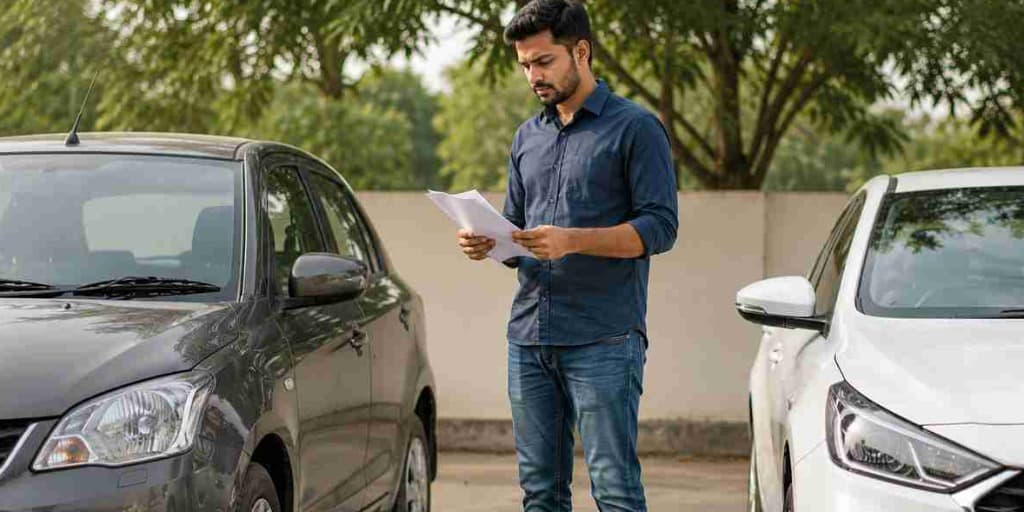
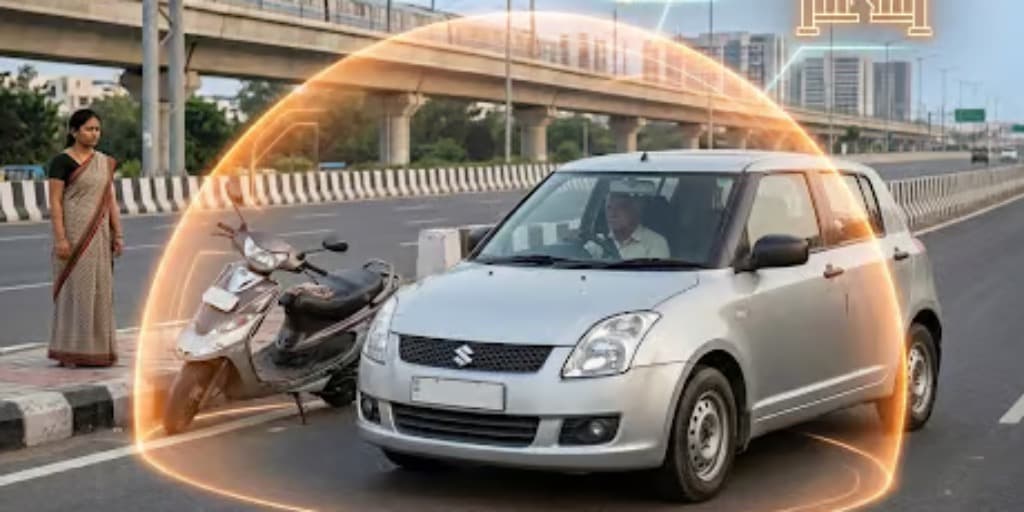
Buying a car is exciting. Insuring it should be simple, too. Yet the rules differ for new and used cars, and many buyers learn this the hard way. The car insurance new car vs used car choice has real money at stake. A new car needs cover before it hits the road, while a used car needs a clean transfer and a fresh check. Get either wrong and you risk a rejected claim. But with this comprehensive guide, you can say goodbye to all confusion, as we break down insurance for both new and used car buyers with honest advice on the dealer versus online cover debate and common mistakes both buyer profiles should avoid making.
New Car Insurance: What You Need to Know
A brand-new car is a big investment. That is why its insurance also needs special care from day one. Here is what every new buyer should know when planning to buy new car insurance:
Insurance Is Mandatory Before Registration
You cannot register a new car without insurance. The law makes the cover compulsory at purchase. According to the latest insurance norms set by IRDAI, new cars now get a mandatory three-year third party policy at the time of purchase, with only the own damage part to be renewed every year.
Dealer Insurance vs Buying Online: An Honest Comparison
If you are a prospective new car buyer wondering should I buy insurance from dealer or online for new car needs? The honest answer is that both routes work, but they differ a lot in how they do.
Dealer insurance is convenient and quick. The paperwork is handled at delivery, and the entire process is rather hassle-free. However, a big blocker to consider here is that dealers often charge more for this ease. This is why the dealer car insurance vs online gap can be large. Dealers may push costly add-ons you usually skip online. Moreover, since dealers also earn a commission on the policy, you can never know if the plan you are being pushed to buy is truly the best one in the market.
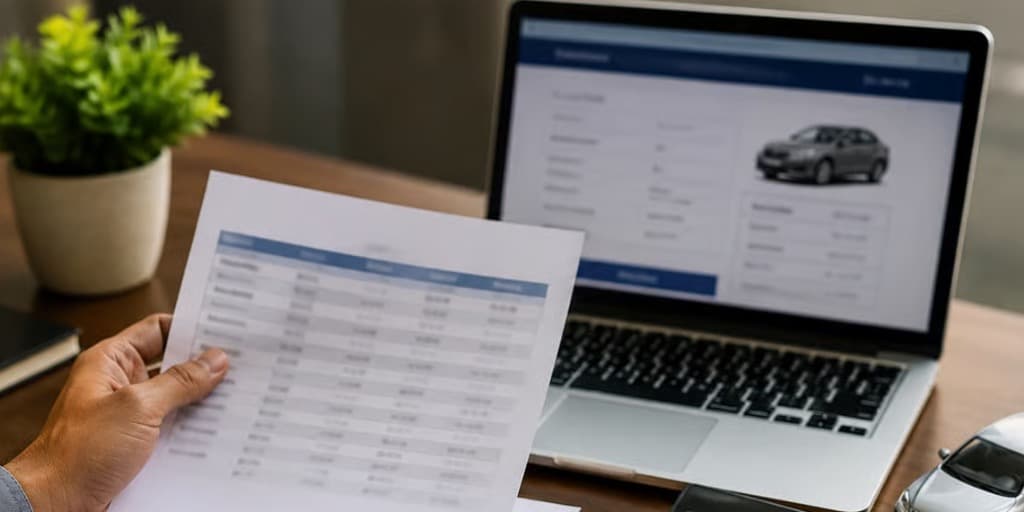
Buying online, on the other hand, is cheaper and more flexible. You can compare plans in depth and pick your own add-ons. While this process might require your time and effort in research, it often saves about 30% of your money on the purchase alone.
IDV for a New Car Equals Ex-Showroom Price
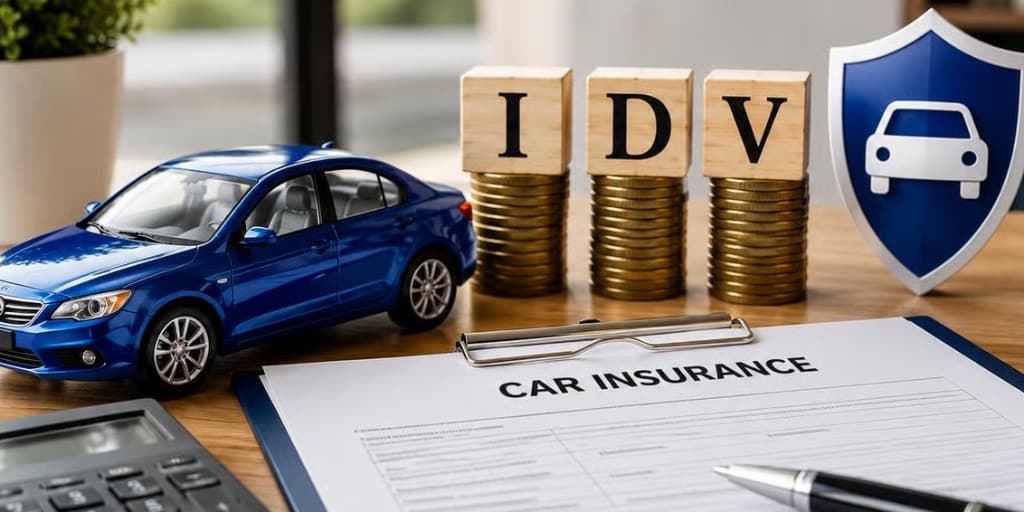
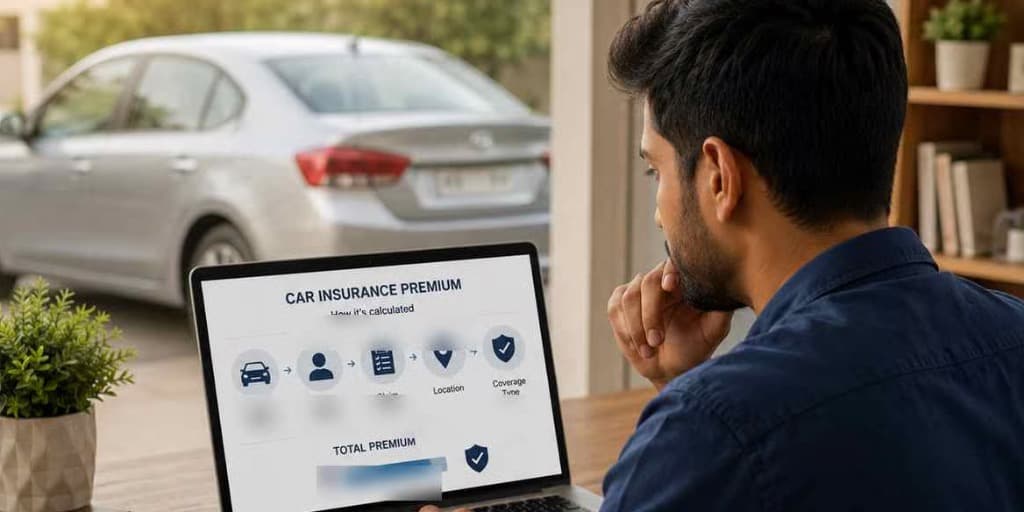
The IDV is the insured value of your car. For a new car, it sits close to the ex-showroom price. A high IDV raises your new car insurance premium a little. But it gives strong protection. Never set a low IDV just to save money.
Best Add-ons for a New Car
New cars deserve the best protection available. A few key add-ons make a big difference. Here are the top picks that can ensure a seamless ownership experience for the long term:
- Zero depreciation: This gives you the full claim amount on parts.
- Return to invoice: This pays the full invoice value on total loss.
- Engine protection: This covers water damage to the engine.
- Roadside assistance: This sends help for any breakdown.
These add-ons are most useful in the first five years. The small extra cost that these add-ons incur is well worth it if you compare the cost in the long run.
Used Car Insurance: What's Different
Insurance for used car buyers follows different rules and principles. While the insurance cover works the same way, the setup needs extra considerations. Here is what changes when buying insurance for a used car in India:
IDV Is Lower Due to Depreciation
A used car has lost value over time. So its IDV is lower than that of a new car. This is a core part of the car insurance new car vs used car difference. A lower IDV also means a lower used car insurance cost. Older cars are cheaper to insure, but the payout also often shrinks with the car's age.
Pre-Inspection May Be Required
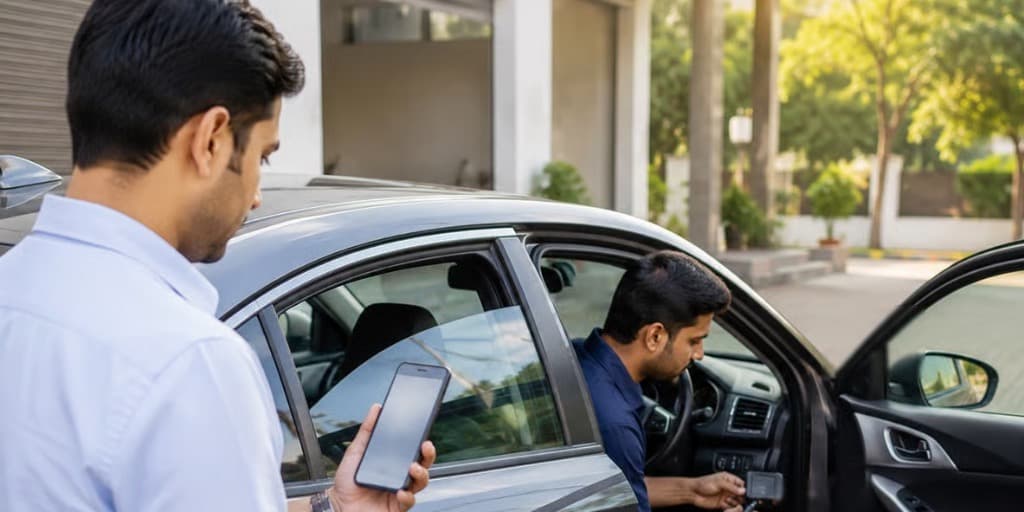
A used car may need a quick check before you get insurance. This is where the used car insurance pre-inspection process comes into the picture. The insurer generally inspects the car before issuing cover.
For this, the insurer’s surveyor checks the body, lights, and tyres. They take photos from all angles. This pre-inspection used car insurance step protects both you and the insurer from future hassles and is common when the old policy has lapsed.
NCB Transfer from the Seller: How It Works
Is NCB transferred when buying used car deals is the million-dollar question that bugs the majority of buyers when buying a used car. The simple answer to this question is no, it does not.
The No Claim Bonus belongs to the policyholder and not the car. As a buyer, you start your own bonus afresh. While the NCB transfer used car rule confuses many people, buyers must remember that the NCB transfer used car process never moves the seller's bonus to you. You can use your own old NCB instead. Save that certificate and apply it when you buy your next car.
Break-in Insurance If the Previous Policy Lapsed
Sometimes the seller's policy has already expired. This creates a break in cover. The insurer then treats it as break-in insurance, which needs a fresh inspection for renewal. The cover starts only after the check is done. Thus, always confirm the policy status before you buy your next used car.
Comparison of New and Used Car Cover: The Ultimate Comparison
The car insurance new car vs used car gap can be quite overwhelming, especially for first-time car buyers. Here are eight key parameters compared side by side, so that you know how both offerings differ from each other:
| New Car | Used Car | |
|---|---|---|
| IDV | Near ex-showroom price | Lower due to depreciation |
| Premium | Higher | Lower |
| Pre-inspection | Not needed | Often needed |
| NCB | Starts fresh | Seller keeps it |
| Add-on choice | Full range | Limited by car age |
| Long-term TP | Three years at purchase | One year on renewal |
| Dealer role | Arranges first policy | Usually none |
| Best add-ons | Zero dep, return to invoice | Engine protect, RSA |
5 Mistakes New Car Buyers Make with Insurance
Buying a new car is exciting, but many first-time buyers overlook important insurance details that can lead to higher costs or inadequate coverage later. From choosing the cheapest policy to ignoring add-ons and claim terms, these common mistakes can impact both financial security and peace of mind.:
- Accepting the dealer policy without comparing: Dealers often overcharge for convenience. Always check online quotes first.
- Setting a low IDV to save premium: This cuts your payout on total loss. Keep the IDV close to the true value.
- Skipping zero depreciation cover: Small repairs then cost you more. This add-on pays for itself fast.
- Buying add-ons you do not need: Some dealers push costly extras. Pick only what suits your car.
- Forgetting to read the policy wording: The exclusions hide many surprises. Spend ten minutes reading them.
Avoiding these mistakes not only saves you money but also keeps your cover strong. A little care at the start pays off well in the future.
5 Mistakes Used Car Buyers Make with Insurance
Buying a used car can help save money, but overlooking key insurance factors may lead to unexpected expenses and coverage gaps. Here are a few major mistakes to avoid when buying used car insurance:
- Relying on the seller's old policy: The earlier policy of the seller may lapse or stay in their name. Always transfer or buy a fresh cover to ensure there are no policy gaps.
- Forgetting to transfer the policy: The insurance cover must move to your name within 14 days of the sale. A delay can void any subsequent claim.
- Expecting the seller's NCB to transfer: The bonus stays with the seller. You start your own bonus fresh.
- Ignoring the pre-inspection step: A skipped check can delay your cover. Complete it before driving the car.
Choosing the cheapest plan blindly: A low price may hide poor service. Check the insurer's claim record first.
Smart Tips for Insurance When Buying a Second-Hand Car
Used car deals need extra care on the insurance side. A few smart steps protect your money. Here is what to do.
- First, sort out insurance when buying second hand car deals on day one. Do not drive on the seller's lapsed cover. It may not protect you at all.
- Second, learn how to buy insurance for second hand car cover the right way. Transfer the policy or buy fresh online. Both routes are quick and simple.
- Third, plan for the used car insurance cost early. A lower IDV keeps the premium small. But check the payout you would get on the total loss.
- Fourth, compare the second hand car insurance options online. Look at the claim record and network garages. The cheapest plan is not always the best.
These tips can make the car insurance new car vs used car gap easy to manage. They protect your wallet and your new ride. A little planning goes a long way.
How to Buy Insurance for Second Hand Car the Right Way
Knowing how to buy insurance for second hand car cover saves stress. The steps are simple and quick. Here is the full process:
- Complete the ownership transfer at the RTO first.
- Inform the insurer within 14 days of the transfer.
- Submit the new registration copy and your ID proof.
- Complete the pre-inspection if the old policy lapsed.
- Choose to transfer the old plan or buy a fresh one.
- Pay online and download the policy in minutes.
Following this process keeps your second hand car insurance valid from day one. It also protects you during any claim. Never skip the transfer step, as it can void your cover.
New Car vs Used Car Insurance: What to Remember
The car insurance new car vs used car choice comes down to a few key points. New cars need cover from day one and benefit from full add-ons. Used cars on the other hand cost less to insure but need a clean transfer and a check. For new car insurance buyers, the key is to compare online before accepting the dealer plan. For used car insurance buyers, transfering the policy and confirming the NCB rules is the key.
Nonetheless, both should always read the policy, set a fair IDV, and pick the right add-ons. A little care now can keep your car protected for years to come.
Note: This article has been vetted by Siddarth Khandelwal, an Insurance expert at Insure24.
FAQs
Q. Should I buy insurance from dealer or online for new car purchases?
You can use either, but online is usually better value. Dealer insurance is convenient and handled at delivery. However, dealers often charge more and push extra add-ons. Buying online lets you compare plans and pick your own add-ons. For most new buyers, the online route saves real money.
Q. How to buy insurance for second hand car deals?
First, complete the ownership transfer at the RTO. Then transfer the existing policy to your name within 14 days. You may need a pre-inspection if the old policy lapsed. You can also buy a fresh plan online. Always confirm the cover starts before you drive the used car.
Q. Is NCB transferred when buying used car deals?
No. The No Claim Bonus stays with the seller, not the car. The seller can move it to their next vehicle. As a buyer, you begin your own bonus fresh. If you owned a car before, you can apply your own saved NCB certificate instead.
Q. What is the used car insurance pre-inspection process?
The used car insurance pre-inspection process is a quick physical check. A surveyor inspects the body, lights, tyres, and engine. They take photos from every angle. This step is common when the previous policy has lapsed. The cover begins only after the inspection is approved by the insurer.
Q. Is the new car insurance premium higher than for a used car?
Yes, usually. A new car has a higher IDV near its ex-showroom price. This raises the new car insurance premium. A used car has a lower IDV due to depreciation. So the used car insurance cost is lower. But the payout on total loss is smaller too.
Q. Can a car insurance first-time buyer get a good deal online?
Yes. A car insurance first time buyer can easily compare plans online. The process is simple and takes about ten minutes. You see quotes from many insurers side by side. Pick one with a strong claim record. Avoid the dealer markup by buying your cover online directly.
Q. Why is IDV for used car lower than for a new car?
The IDV for used car drops because of depreciation. A car loses value with each passing year. The insurer uses a fixed depreciation chart to set it. So an older car always has a lower IDV. This means a lower premium but also a smaller claim payout.
Q. What should I check about insurance when buying second hand car?
When buying second hand car cover, first check the policy status. Confirm whether it is active or lapsed. Then transfer it to your name within 14 days. Complete any pre-inspection needed. Finally, decide if you want the seller's plan or a fresh one with better add-ons.
Q. Does second hand car insurance cost less than new car cover?
Yes, in most cases. Second hand car insurance costs less due to a lower IDV. The car's value has dropped with age. So the premium falls too. However, fewer add-ons may be available for older cars. Always weigh the lower cost against the smaller payout you would receive.
Q. Is dealer car insurance vs online always more expensive?
Usually, yes. The dealer car insurance vs online gap exists because dealers earn commission. They also bundle add-ons you may not need. Online cover is cheaper and more flexible. You control the IDV and the add-ons. For pure convenience, the dealer route still works, but it costs more.




Licenced by

COMPANY
PRODUCTS
RESOURCES
LEGAL
Cars24 Financial Services Private Limited
(Wholly owned subsidiary of Cars24 Services Private Limited)
Corporate Office - 6th Floor, SAS Tower-C, Ch Baktawar Singh Road, Medicity Sector 38, Shivaji Nagar,
Gurgaon - 122001, Haryana
IRDAI Corporate Agency Registration No: CA0710 | License Category: Composite |
CIN: U65990HR2018PTC075713
Disclaimer : The information contained in this website is presented purely for information purposes only provided as service to the internet community at large. It does not constitute insurance advice and we do not guarantee the accuracy, adequacy or the completeness of the information contained here.


Licenced by
COMPANY
PRODUCTS
RESOURCES
LEGAL
Cars24 Financial Services Private Limited
(Wholly owned subsidiary of Cars24 Services Private Limited)
Corporate Office - 6th Floor, SAS Tower-C, Ch Baktawar Singh Road, Medicity Sector 38, Shivaji Nagar,
Gurgaon - 122001, Haryana
IRDAI Corporate Agency Registration No: CA0710
License Category: Composite
CIN: U65990HR2018PTC075713
Disclaimer : The information contained in this website is presented purely for information purposes only provided as service to the internet community at large. It does not constitute insurance advice and we do not guarantee the accuracy, adequacy or the completeness of the information contained here.